

 Rx Hormone Therapy
Make him
put his phone down.
Your energy, your mood, your spark. If menopause is getting in the way, we can help. Hormone therapy built around you, not a guess off a chart.
Not available in all 50 states. Rx required.
Feel like
yourself again
1. Based on clinical trials of oral estradiol and estradiol patches showing significant reduction in hot flashes as early as week 4.
2. In clinical studies, estradiol vaginal cream was shown to significantly improve vaginal dryness, itching, and irritation.
3. In a meta-analysis of clinical trials, micronized progesterone was shown to improve sleep quality in postmenopausal women. Progesterone isn't FDA approved on its own to treat menopause symptoms.
4. Hormone therapy isn't FDA approved to treat heart conditions or bone loss unrelated to menopause, or as the only treatment for postmenopausal bone loss before non-estrogen options. Estrogen plays a role in supporting heart health in healthy women under 60 or within 10 years of menopause, and in bone mineral density. Estrogen therapies have been shown to significantly increase bone mineral density.
Explore hormone
therapy options
Estradiol Patch
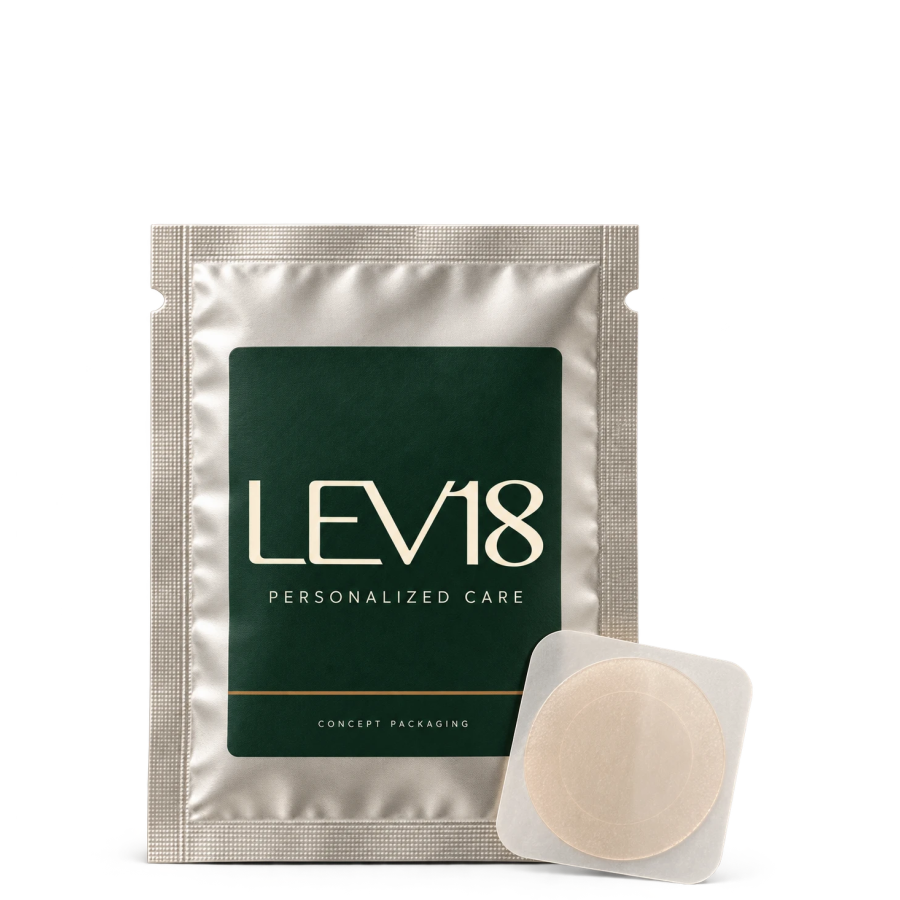
Patches · Systemic estrogen
An estrogen patch applied to the skin.
Explore patchProgesterone Capsules
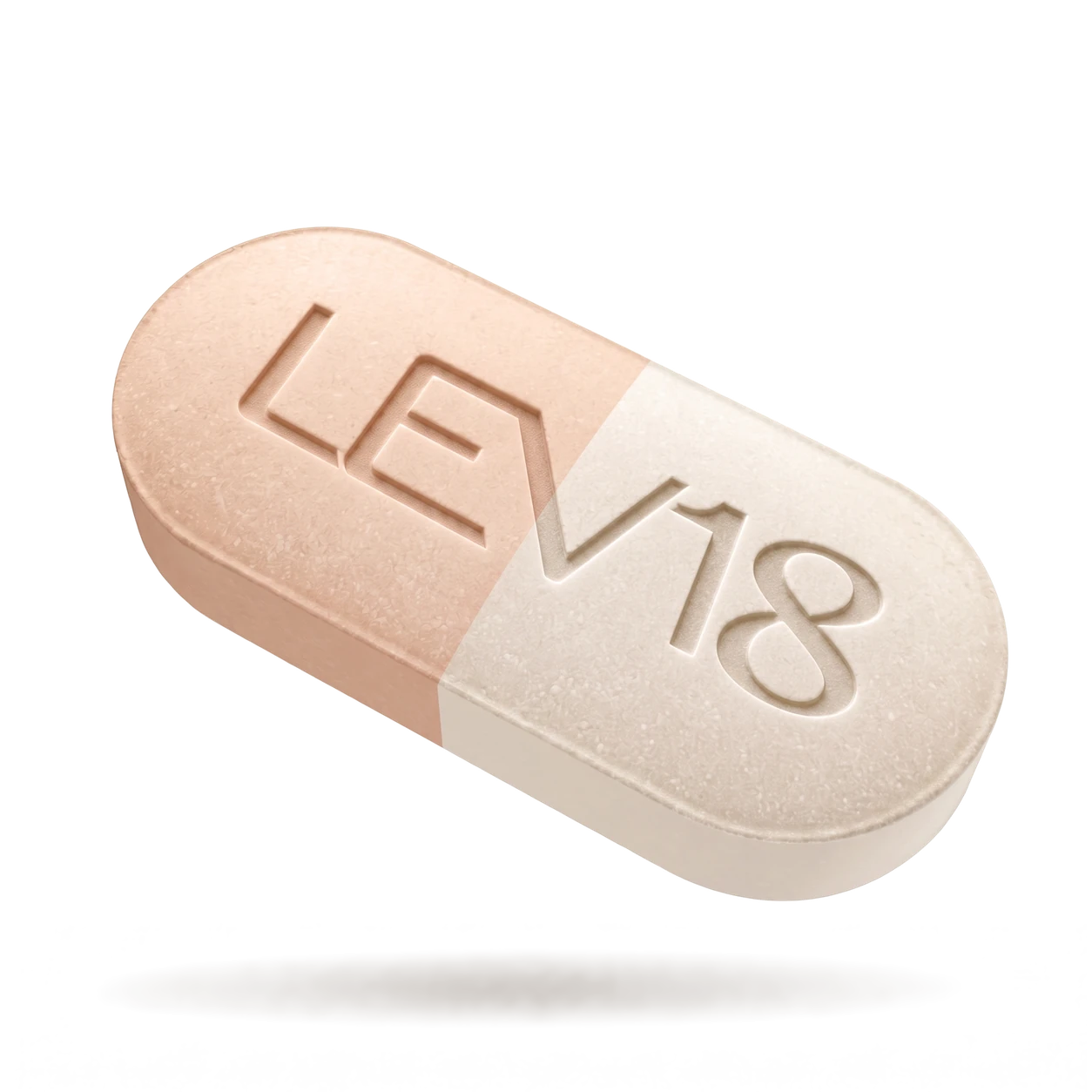
Capsules · Progesterone
Progesterone in an oral capsule format.
Explore capsulesVaginal Estradiol Cream
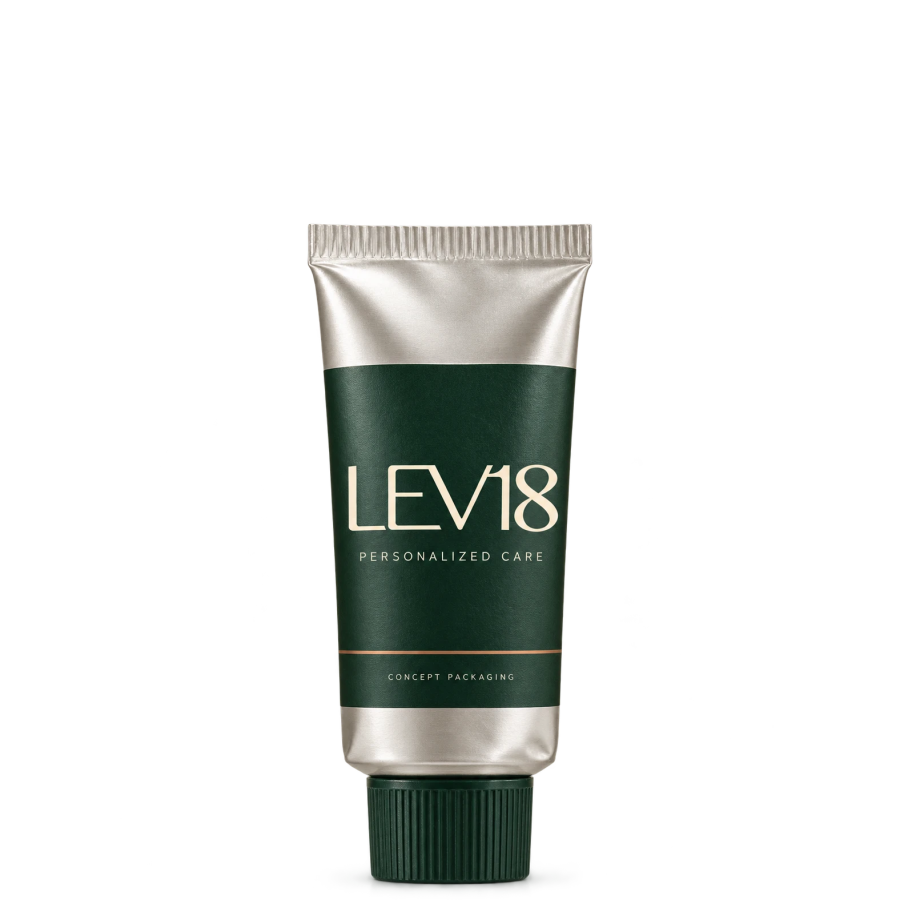
Cream · Local estrogen
A local estrogen cream for vaginal use.
Explore vaginal creamEstradiol Gel
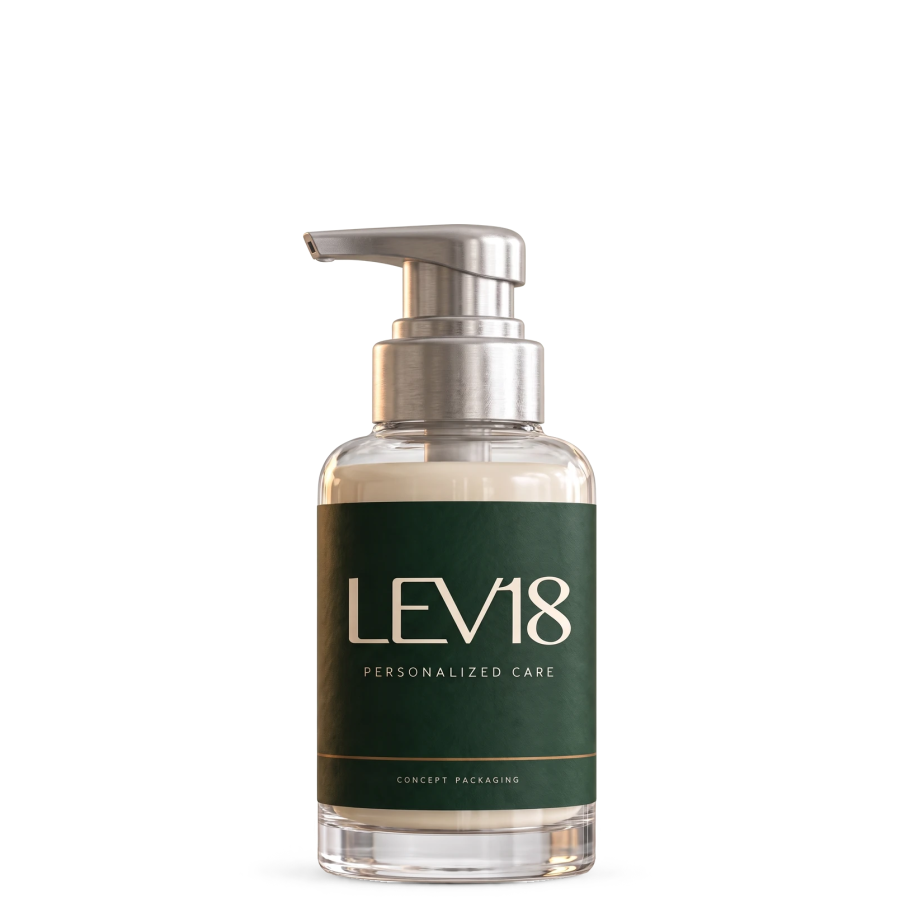
Gel · Systemic estrogen
An estrogen gel applied to the skin.
Explore gelPrescription only. Options and availability are subject to clinical review. Illustrations show product formats. Hormone therapy isn't FDA approved to treat perimenopause, but a provider may prescribe it off-label for perimenopause symptoms if it's right for you.
Built by a clinician,
around your numbers
Clinicians affiliated with Arora Health specialize in women's hormone health and have spent their careers helping women feel like themselves again.
Ask every question. Take your time. Say it if you're not okay. You deserve a care team that listens and works with you.

How to
get started
-
1
Online intake
Answer questions about what you've been experiencing and see which treatment options you may be eligible for.
-
2
Provider evaluation
A licensed provider trained in women's health will review your intake and determine if treatment is right for you.
-
3
Personalized plan
If prescribed, you'll get a personalized treatment plan that includes medication delivered right to you.
-
4
Ongoing support
Get unlimited online access to provider messaging, regular check-ins, and treatment adjustments as needed.

with treatment
Your questions,
answered
Start your assessment now
Menopause is a natural biological process that marks the end of menstrual cycles. It's diagnosed after 12 months without a period. The transition typically begins in your 40s or 50s, though symptoms can start years earlier during perimenopause.
The average age of menopause in the United States is 51, but it can occur anywhere from your early 40s to late 50s. Perimenopause symptoms often begin 4-8 years before menopause.
Menopause is officially reached when you've gone 12 consecutive months without a period. The transition phase (perimenopause) can begin in your mid-to-late 30s or 40s, when hormone levels start to fluctuate.
Menopause itself is a single point in time, but the symptoms associated with it can last for years. Hot flashes typically last 4-8 years on average. Some women experience symptoms for a decade or more.
Common symptoms include hot flashes, night sweats, sleep problems, mood changes, vaginal dryness, weight gain, thinning hair, and decreased libido. The severity and combination of symptoms varies from woman to woman.
Yes. Hormonal changes during menopause can contribute to weight gain, particularly around the midsection. Declining estrogen affects metabolism and how the body distributes fat. Aging and lifestyle play a part too.
Your provider looks at your age, your health and your family history, then tells you whether treatment's right for you.
No. LEV18 operates outside of insurance for a simpler, more personalized experience. Pricing is transparent and includes your provider consultations, ongoing support, and treatment adjustments.

Get your
energy back.
Get started
Prescription medications require a valid prescription from a licensed provider. Results may vary.